The Truth About Dog Breath: What It Can Be Telling You
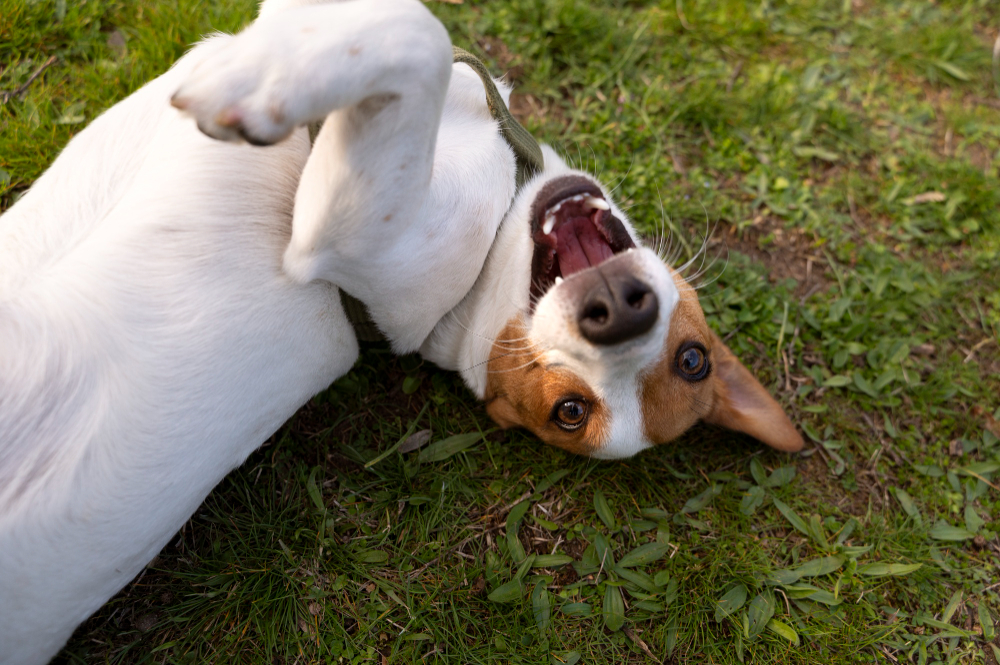
A lot of pet parents brush off bad dog breath as normal.
It’s easy to do. Dogs eat weird things, put everything in their mouths, and are not exactly known for minty-fresh kisses. So when their breath starts smelling rough, most people assume it just comes with the territory.
But that’s not always true.
Bad breath can be one of the earliest signs that something is off in your dog’s mouth. Cornell’s veterinary dental guidance notes that halitosis, or bad breath, is often the first thing people notice when a dog has dental disease. Cornell also explains that plaque can begin hardening into tartar in as little as 24 hours, which is part of how small daily issues can turn into bigger oral problems over time.
Why “Just Dog Breath” Can Be Misleading
There’s a difference between a dog having a normal dog mouth and a dog having ongoing oral issues.
That difference matters because dogs are very good at hiding discomfort. According to AAHA, many pets with dental disease show no obvious signs at first, which is one reason regular dental care matters so much. By the time symptoms are easy to spot, the problem may already be more advanced.
So yes, bad breath may seem small. But it’s often worth paying attention to, especially if it is persistent, suddenly worse, or showing up alongside other changes.
What Bad Breath Can Actually Point To
Oral buildup
A common starting point is plaque.
Cornell explains that plaque is a sticky buildup of bacteria on the teeth. As it hardens into tartar, bacteria and inflammation can affect the gums and contribute to gingivitis and, later, more serious periodontal disease.
Gum inflammation and dental disease
If the issue keeps progressing, it may go beyond surface buildup.
Cornell says periodontal disease is one of the most common health issues in dogs, and studies show that 80–90% of dogs over age 3 have some component of it. Cornell and AAHA both note that oral disease can bring pain, tooth loss, difficulty eating, and broader health concerns if left unaddressed.
A daily routine that is not doing enough for oral care
This is where small habits matter.
If a dog’s routine does not include supportive oral habits, plaque keeps getting chances to build. AAHA notes that professional dental cleanings, home care, and regular exams all play a role in keeping pets healthy and pain-free.
That does not mean every snack has to function like a toothbrush. It does mean that daily choices — texture, ingredient quality, and overall routine — matter more than most people think.
Signs That Bad Breath May Be More Than a Minor Issue
If your dog has bad breath along with other symptoms, it is a good idea to take it seriously.
Cornell and AAHA list signs such as:
- bad breath
- drooling
- red or swollen gums
- bleeding from the mouth
- dropping food
- difficulty eating
- facial swelling
- decreased appetite
- changes in chewing habits
Not every dog will show every sign. Some show very little at all. That is part of why bad breath should not always be brushed off as “just how dogs smell.”
Why Oral Care Starts Long Before a Vet Cleaning
A professional cleaning matters, but oral support is not just a once-a-year conversation.
AAHA explains that plaque starts accumulating only hours after a pet eats, which is one reason yearly dental care alone is not enough. Their pet-owner guidance recommends daily home care, including brushing, along with other supportive habits and veterinary exams.
That is an important mindset shift for pet parents.
Oral care is not only about reacting when something looks bad. It is also about building a smarter routine before things get there.
What a Better Daily Oral Routine Can Look Like
You do not need to make this complicated.
A better oral routine usually looks like a mix of professional care, at-home care, and more intentional everyday choices.
1. Regular veterinary dental exams
If your dog’s breath has changed or you are seeing other signs, talk to your veterinarian. AAHA notes that regular exams are important because pets often hide pain and discomfort.
2. Daily brushing when possible
AAHA says daily brushing is the best way to help reduce plaque accumulation, and that pet parents should use pet-specific toothbrushes and toothpaste rather than human toothpaste.
3. Smarter chewing and snack habits
Snack time is not the whole solution, but it is part of the pattern.
That is one reason we frame PawGone Good as a functional snack for dogs rather than just another random treat. A crunchy, purposeful snack can fit more naturally into a dog’s daily routine, especially for pet parents trying to be more intentional about what they give between meals.
4. A more supportive overall routine
Sometimes the issue is not one single product. It is the bigger pattern.
If your dog’s routine is full of soft, filler-heavy, low-purpose snacks, it makes sense to rethink that. A better routine should feel easier to trust, not harder.
You can also point readers to your FAQs if you want a natural internal link that helps explain your ingredient standards, benefits, and everyday use.
What Functional Snacking Has to Do With Dog Breath
A lot, actually.
No responsible brand should claim that a snack replaces brushing or veterinary dental care. It does not.
But that does not mean snack choices are irrelevant.
A more intentional snack can support a better daily rhythm:
- real ingredients instead of filler-forward formulas
- crunchy texture instead of forgettable softness
- benefits tied to oral care and overall wellness
- a format dogs actually enjoy, which makes daily consistency easier
That is the difference between a random reward and a smarter snack habit.
And when a dog gets snacks often, that difference matters.
Why This Topic Fits the Bigger PawGone Good Mission
PawGone Good is not trying to make pet parents paranoid about every breath moment.
The point is simpler than that.
We want snack time to feel more intentional.
We want pet parents to feel like they are giving something with purpose. Something made with real ingredients. Something that fits into the way they already want to care for their dog.
That is also why this topic connects naturally to the bigger story behind the brand. If you want to reinforce that in the post, you can link to your About Us page and your Barkmonibals page so readers can move from education into trust-building and product exploration.
The Bottom Line
Dog breath is not always “just dog breath.”
Sometimes it is the first sign that plaque, tartar, gum inflammation, or a deeper oral issue is building in the background. Cornell and AAHA both emphasize that bad breath can be an important warning sign, and that home care plus professional care are both part of protecting a dog’s long-term oral health.
The good news is that oral support does not have to start with panic.
It can start with better habits.
Better awareness. Better daily care. Better ingredients. Better choices around what goes into your dog’s routine — including the snacks that show up again and again.
That is what smarter snacking is really about.
FAQs
Is bad breath in dogs normal?
Not always. Cornell says bad breath is often one of the first noticeable signs of dental disease in dogs, so persistent bad breath is worth paying attention to.
What are common signs of dental disease in dogs?
AAHA and Cornell list signs like bad breath, drooling, red or swollen gums, bleeding from the mouth, difficulty eating, dropping food, and facial swelling.
How fast can plaque turn into tartar?
Cornell notes that plaque can begin hardening into tartar within as little as 24 hours.
Can snacks replace brushing my dog’s teeth?
No. AAHA says daily brushing is the best way to help reduce plaque accumulation, and professional care is still important. A smarter snack can support the routine, but it does not replace brushing or veterinary dental care.
Suggested Internal Links to Keep in the Final Upload
Suggested External Links to Keep in the Final Upload
- Cornell University College of Veterinary Medicine — Dental disease and home dental care
- Cornell University College of Veterinary Medicine — Periodontal disease
- AAHA — Dog & cat dental disease: Signs, professional cleanings, anesthesia, and home care
- AVMA — Pet dental care
Want snack time to support more than just cravings? Explore PawGone Good functional snacks and build a smarter daily routine for your dog.